
Many men assume ED treatment has failed when the real issue may be timing, dose, diabetes, hormones, stress, or unrealistic expectations. This doctor-led guide explains 9 common and potentially fixable reasons why ED treatments may not deliver the results expected.
Introduction
Erectile dysfunction (ED) is common, treatable, and often more complex than it first appears. When treatment does not work, it does not always mean the problem is severe or irreversible. More often, ED is multi-factorial, with blood-flow issues, diabetes, medication side effects, low testosterone, stress, sleep, pelvic tension, and wider cardiometabolic health all potentially contributing. That is one reason different men can respond very differently to the same treatment.
A doctor-led approach starts by identifying the likely pattern properly — for example whether symptoms developed gradually or suddenly, whether morning erections are still present, whether libido is reduced, and whether there are clues such as fatigue, weight gain, poor glucose control, or cardiovascular risk factors. It is also important to recognise that outcomes are influenced not just by diagnosis, but by how treatment is delivered: accurate technique, careful patient selection, quality medication or PRP preparation, and high-standard machines and protocols can all make a meaningful difference. The aim is not to overcomplicate treatment, but to avoid a one-size-fits-all approach and improve the chance of a better result.

1. The treatment was taken at the wrong time
This is especially common with oral ED medication. Some men take tablets too late, too early, after a heavy meal, or without understanding that sexual stimulation still matters. Others try a treatment once, under poor circumstances, and conclude too quickly that it has failed.
In clinic, timing errors are one of the most fixable reasons for disappointing results. A treatment may be pharmacologically appropriate, but if it is used incorrectly, the response may be poor or inconsistent. That does not always mean the medication itself is the wrong choice.
2. The dose was not right
Dose matters. A dose that is too low may not produce a meaningful response, while a poorly tolerated dose may lead the patient to stop before the treatment has been properly assessed. Some men are never reviewed after the first prescription, so there is no structured attempt to optimise the plan.
Responsible care is not about automatically increasing dose. It is about matching treatment to the patient’s age, vascular health, side-effect profile, and response pattern. Sometimes the issue is not that the treatment failed — it is that it was never properly adjusted.

3. Diabetes and metabolic health are getting in the way
Diabetes is one of the most common medical causes of ED. Over time, poor glucose control can affect small blood vessels, nerve signalling, and tissue health. Men with insulin resistance, central weight gain, high cholesterol, and raised blood pressure may also have a vascular pattern that reduces response to treatment.
This matters because ED therapies do not work in isolation from general health. If the wider metabolic picture is poor, even technically correct treatment may underperform. In some men, worsening erections are part of a broader cardiometabolic story rather than a purely local penile issue.
4. Hormonal factors were missed
Hormones are not the explanation in every case of ED, but they can be highly relevant in the right clinical context. Low testosterone may affect libido, confidence, morning erections, energy levels, and treatment responsiveness. Men who report tiredness, reduced sexual interest, low motivation, or a general sense of “not feeling right” may need that side of the picture considered.
A doctor-led pathway does not assume every man needs hormone testing, but it does recognise when endocrine factors may be contributing. Missing that layer can lead to repeated treatment disappointment, especially when the underlying complaint is not just erection quality but also reduced drive and reduced sexual confidence.

5. Stress, anxiety, and performance pressure are amplifying the problem
ED is not “all in the mind,” but the mind can absolutely influence the result. Stress, poor sleep, relationship tension, repeated negative sexual experiences, and fear of failure can all worsen erections — even when there is a genuine physical component underneath. In some men, treatment begins to fail partly because the pressure around sex has become part of the problem.
This is one reason rushed care often underperforms. Men may be given a treatment without enough explanation, then use it in a state of anxiety and self-monitoring. A calmer, clinician-led approach with realistic expectations can make a meaningful difference, particularly when there is mixed physical and psychological input.
6. Other medications or health conditions are contributing
ED may be worsened by blood pressure medication, antidepressants, chronic pain conditions, obesity, cardiovascular disease, or pelvic symptoms. Some men focus understandably on the erections themselves, but the wider medication and medical background may be doing part of the damage.
That is why proper review matters. When another drug, diagnosis, or untreated health issue is quietly undermining sexual function, ED treatment can appear ineffective even though the real problem sits elsewhere. Looking only at the symptom, without stepping back, often leads to frustration and wasted time.
7. Lifestyle factors are reducing the response
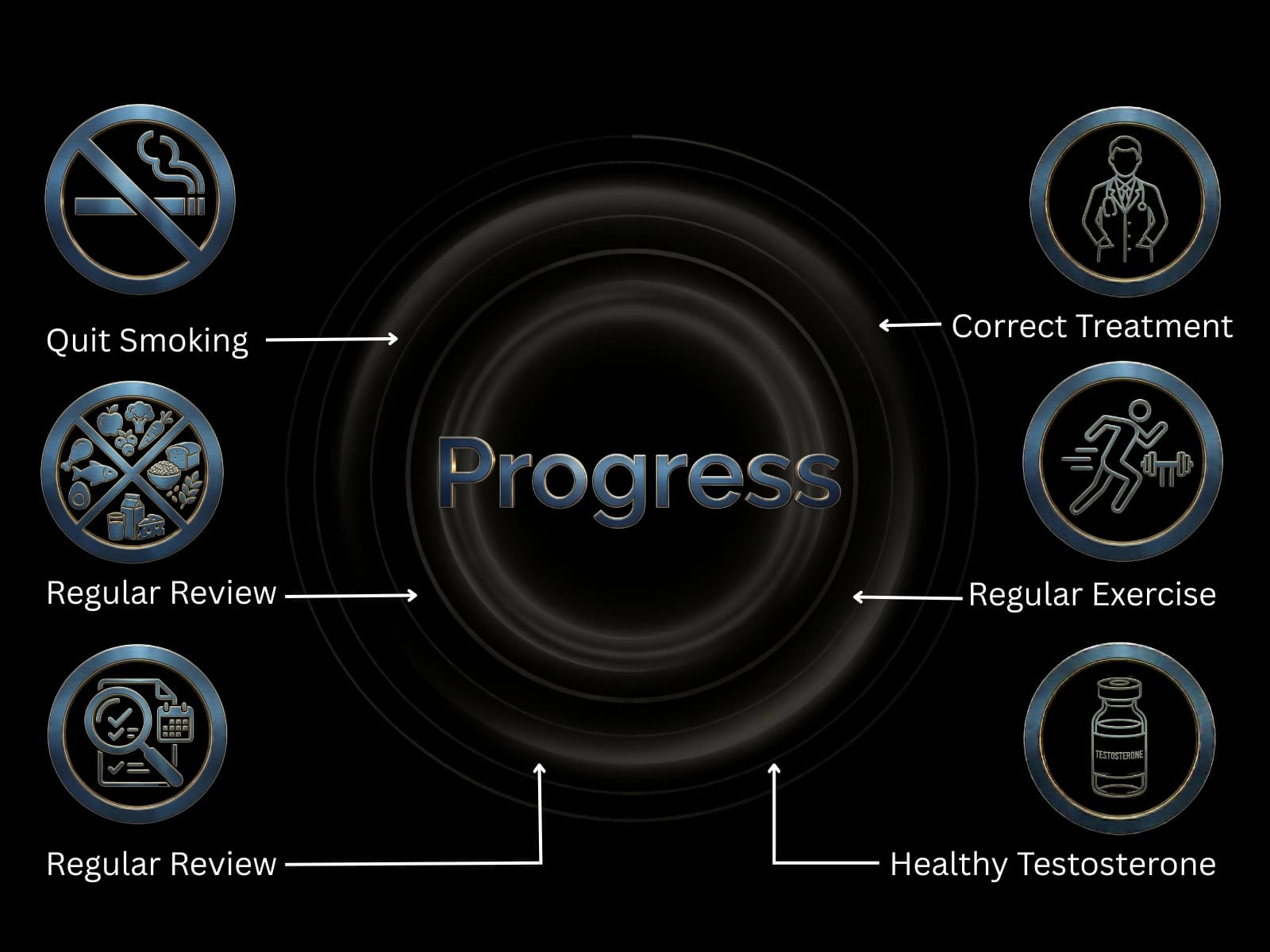
Smoking, excess alcohol, inactivity, abdominal weight gain, and poor sleep can all reduce erectile quality. These do not have to be extreme to matter. Even moderate lifestyle strain can affect endothelial function, energy, mood, hormonal balance, and overall responsiveness to treatment.
This should not be presented in a judgmental way. The point is not to tell men to “live perfectly” before they deserve treatment. It is simply to explain that erection quality reflects general vascular and metabolic health more than many people realise. Small, sustainable improvements can sometimes improve response more than expected.
8. Expectations were unrealistic
Some men understandably hope that one tablet, one injection, or one procedure will completely solve a problem that has been building for months or years. That can lead to disappointment, even when the treatment is helping to some degree. In other cases, a patient may compare themselves to marketing claims rather than to realistic clinical outcomes.
High-quality care includes expectation-setting. Some treatments work quickly, others more gradually; some improve firmness but not libido; some help selected men more than others. ED management is usually strongest when it is reviewed in stages rather than judged too early or sold as a guaranteed fix.
9. The treatment plan was never truly personalised
This is often the biggest issue underneath all the others. A man may have been given a treatment package before anyone properly assessed likely cause, baseline severity, morning erections, hormone symptoms, diabetes status, medication effects, or psychosocial context. The result is not truly “failed treatment” — it is incomplete treatment selection.
A doctor-led consultation changes that. It allows the plan to be matched to physiology, symptoms, risk profile, and patient goals. Sometimes that means improving how an existing treatment is used. Sometimes it means changing direction. Either way, individualisation usually matters more than simply adding more interventions.
What we recommend first: a simple decision framework
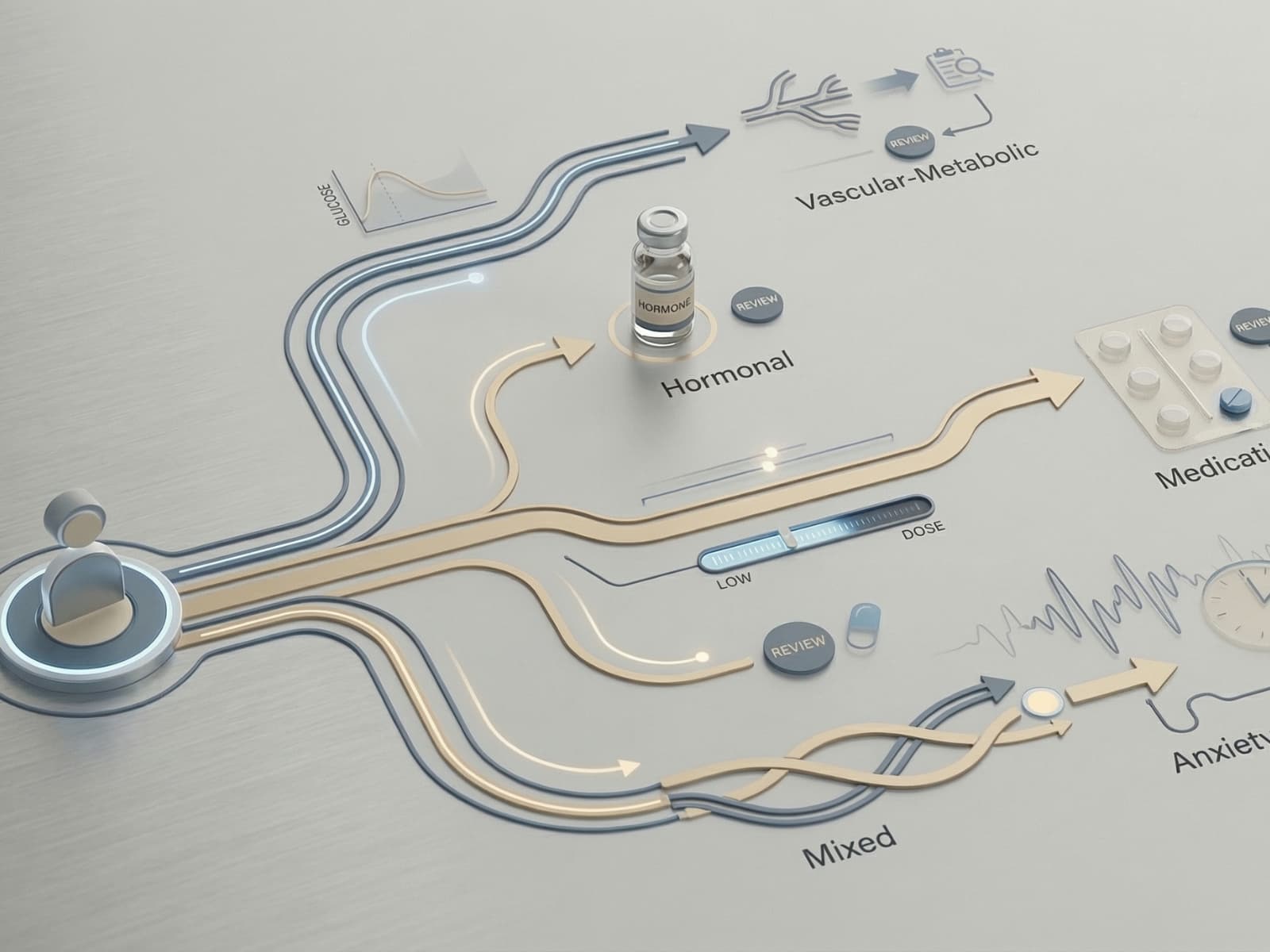
The question is not always “What is the strongest treatment?” Often, the better question is “What is most likely to be getting in the way here?” In clinic, we usually think about ED in terms of the dominant pattern first — for example vascular/metabolic, hormonal, medication-related, anxiety-linked, or mixed.
From there, treatment is selected in a structured and patient-centred way. For some men that means optimising tablets properly. For others it means addressing diabetic control, reviewing hormone status, adjusting expectations, or considering regenerative or device-based treatment only after the basics have been reviewed properly. The aim is not to build a package — it is to make the next step more sensible.

Key takeaways
ED treatment failure does not always mean the condition is untreatable. Timing, dose, diabetes, hormones, stress, and medication effects can all reduce response. ED is often multi-factorial, so quick fixes do not suit every patient. A structured doctor-led review can identify what has been missed. In many cases, the reasons for poor response are potentially fixable.
Learn more about Erectile Dysfunction Treatments

FAQs
Why do ED tablets sometimes work one day and not the next? Timing, food, alcohol, stress, fatigue, and baseline vascular health can all affect consistency.
Does treatment failure mean my ED is severe? Not necessarily. Sometimes the issue is incorrect timing, poor dose selection, or an unrecognised underlying factor.
Can diabetes make ED treatment less effective? Yes. Poor glucose control can affect blood vessels and nerves involved in erection quality.
Should testosterone always be checked? Not always, but it may be relevant when libido is low, fatigue is present, or response to treatment is poor.
Can anxiety stop physical treatment from working properly? Yes. Performance anxiety and stress can significantly reduce response, even when there is a real physical cause too.
Is a doctor-led assessment really necessary? When ED is persistent or treatment has already failed, proper assessment usually gives a clearer and more cost-effective path forward.
Closing
When ED treatment fails, the most useful response is not to give up or jump straight to the next advertised option. More often, the better step is to review what may have been missed: timing, dose, hormones, diabetes, stress, medication effects, and overall health.
The goal is not hype or over-treatment. It is to understand the likely driver of symptoms, improve what is fixable, and build a safer, more personalised plan with realistic expectations.